If you’re a homeowner in Arizona thinking about going solar or buying an EV, you’ll need to get on the stick. Same thing for businesses and utilities.
While many of HR1’s cuts to safety net programs like Medicaid and food assistance won’t kick in until after the 2026 midterm elections congress made sure the elimination of clean energy incentives is immediate.
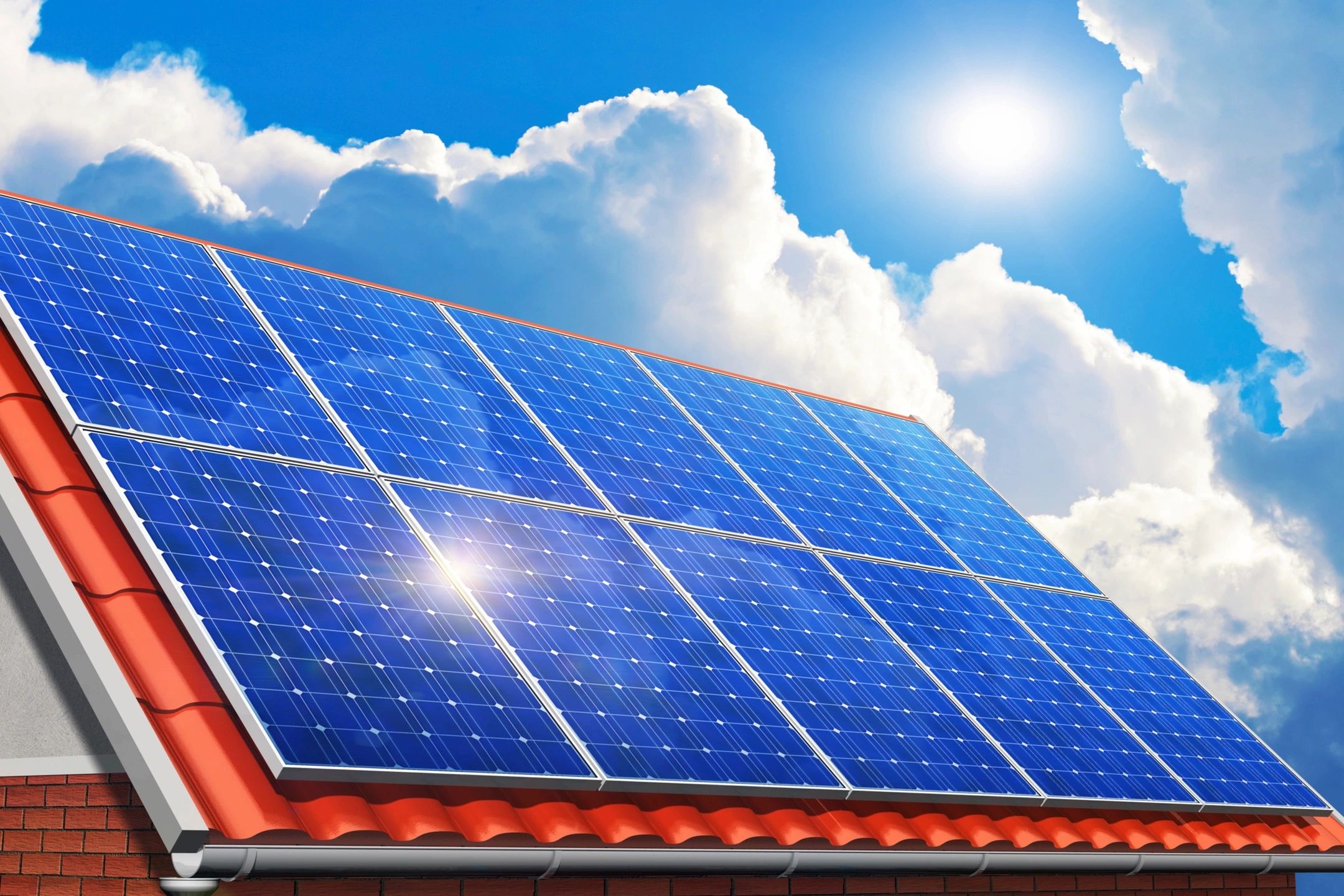
HR1 rapidly ends federal tax credits that have helped ordinary homeowners (like us, when I installed rooftop solar two years ago) afford clean energy upgrades.
We Installed a Solar Power System at Our House: This is Our Story – AZ Public Health Association
That includes a soon to expire 30% Residential Clean Energy Credit, which helped thousands of Arizonans install solar panels, batteries, and other home efficiency improvements.
That tax credit will be eliminated on December 31, 2025, with no phase-out and no grace period. To qualify for a tax credit systems must be fully installed & connected to the grid before the deadline New Years Day 2026 (not just contracted).
The timeline is even tighter for EVs. The $7,500 new EV tax credit and $4,000 used EV credit both expire on September 30, 2025.
And for businesses and utilities?
The bill strips away the long-term certainty they’d counted on as many businesses, community health centers (like Chiricahua), and utilities made plans to convert to a bigger renewable portfolio. To qualify for the Investment Tax Credit, business and utility projects must begin construction by July 4, 2026, and be connected and in service by the end of 2027.
HR1’s elimination of tax incentives to invest in clean energy will slow down but not end the conversion to renewables as the ROI for clean energy projects is rapidly becoming the least expensive way to boost power generation even without the tax credits. In addition, new solar components in panels that source less and less expensive, improving the ROI.
Note: Tariffs on solar panels from China are also impeding conversion to solar as China is a global leader in production of inexpensive solar panels. Same goes for electric vehicles – which have a 100% tariff imposed on them.
If you’ve been thinking about solar or an EV the time to act is now. With the coming ‘gold rush’ of solar installation that’ll be created by the impending end of the credits, permitting delays, installer backlogs, and supply chain snags… you better get started NOW.
The Republican majority in Congress may have delayed politically sensitive cuts to healthcare and nutrition assistance but they’ve fast-tracked the end of clean energy support.
For Arizona households and businesses, that means making big decisions fast or losing out for who knows how long.