The old conservative movement used to say government should let markets guide investment decisions. Companies should decide where to invest based on cost, demand, and what works best. Government should stay out of the way and avoid picking winners and losers.
The populist movement now running the federal government has scrapped that approach in favor of using policy and bureaucracy to steer private investment away from wind and solar and toward fossil fuels.
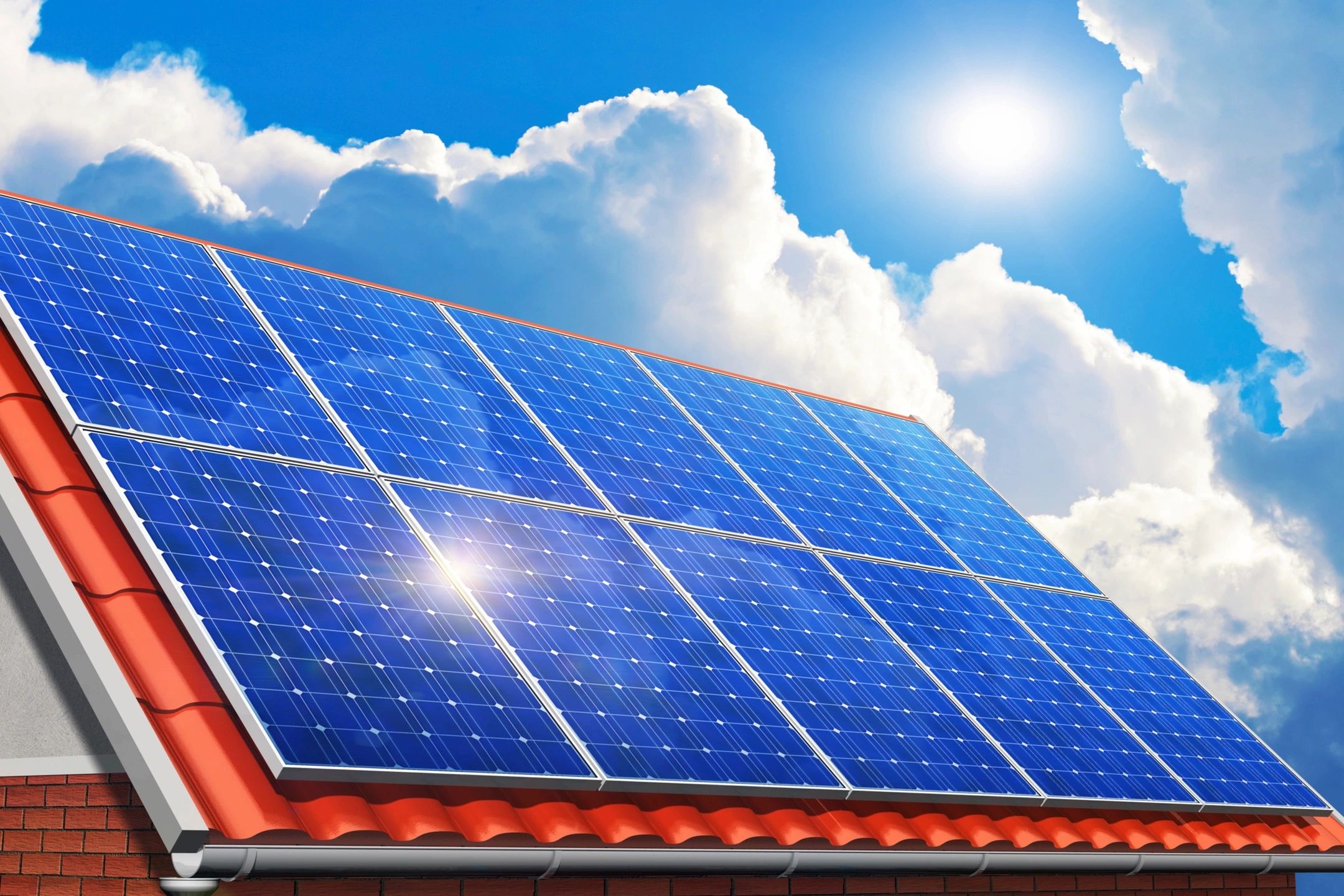
A new Wood Mackenzie analysis, Federal friction: permitting risk across the U.S. utility-scale renewables pipeline found that federal agency actions have put 92 gigawatts of large-scale solar, wind, and battery-storage projects under added permitting burdens to slow them down or stop them. Those projects represent more than $121B in clean-energy investment.
Federal friction : permitting risk across the US utility-scale renewable pipeline Report | Wood Mackenzie
Their goal is to stop the development of renewable-energy projects, even when they may be among the least expensive ways to generate electricity.
The report also found that new permitting barriers and the withdrawal of federal funding contributed to the cancellation of 7 gigawatts of clean-energy projects on federal lands in 2025.
One example is a July 2025 Interior Department memo. It requires nearly every federal action involving wind and solar projects to go through a new, multi-step review process. The process ends at the Secretary of the Interior’s office. That means more paperwork and uncertainty for businesses that want to build solar, wind, or battery projects.
Departmental Review Procedures for Decisions, Actions, Consultations, and Other Undertakings Related to Wind and Solar Energy Facilities
The Interior Department is using special “emergency procedures” to speed up permits for oil, methane, and coal projects.
That’s government picking winners and losers.
According to Wood Mackenzie, about 30% of planned solar development is now facing added Interior Department review.
Wind is being hit even harder, with 62% of planned wind development on federal lands subject to extra review.
Arizona is one of the states most exposed to these new federal barriers, behind only Texas and California.
We have some of the best solar resources in the country. Our electricity demand is growing quickly, especially during extreme summer heat. Solar, battery storage, and other clean-energy resources can help meet that demand while reducing dependence on volatile fossil-fuel markets.
Arizona families will pay the price through higher energy costs, fewer local investments, and fewer clean-energy jobs.
Elections matter. Remember that in November.
https://azpha.org/wp-content/uploads/2026/07/San-Manuel-Solar-Project-Siting-email-to-Supes.pdf
https://azpha.org/wp-content/uploads/2026/07/Surprise-Zoning-Letter-July-2026.pdf