
Maricopa County is having an active West Nile virus season. As of last week, we had 47 human cases and five deaths. 183 mosquito trap samples have tested positive, already more than during all of 2025… and we have a few months to go.
Birds Are the Reservoir
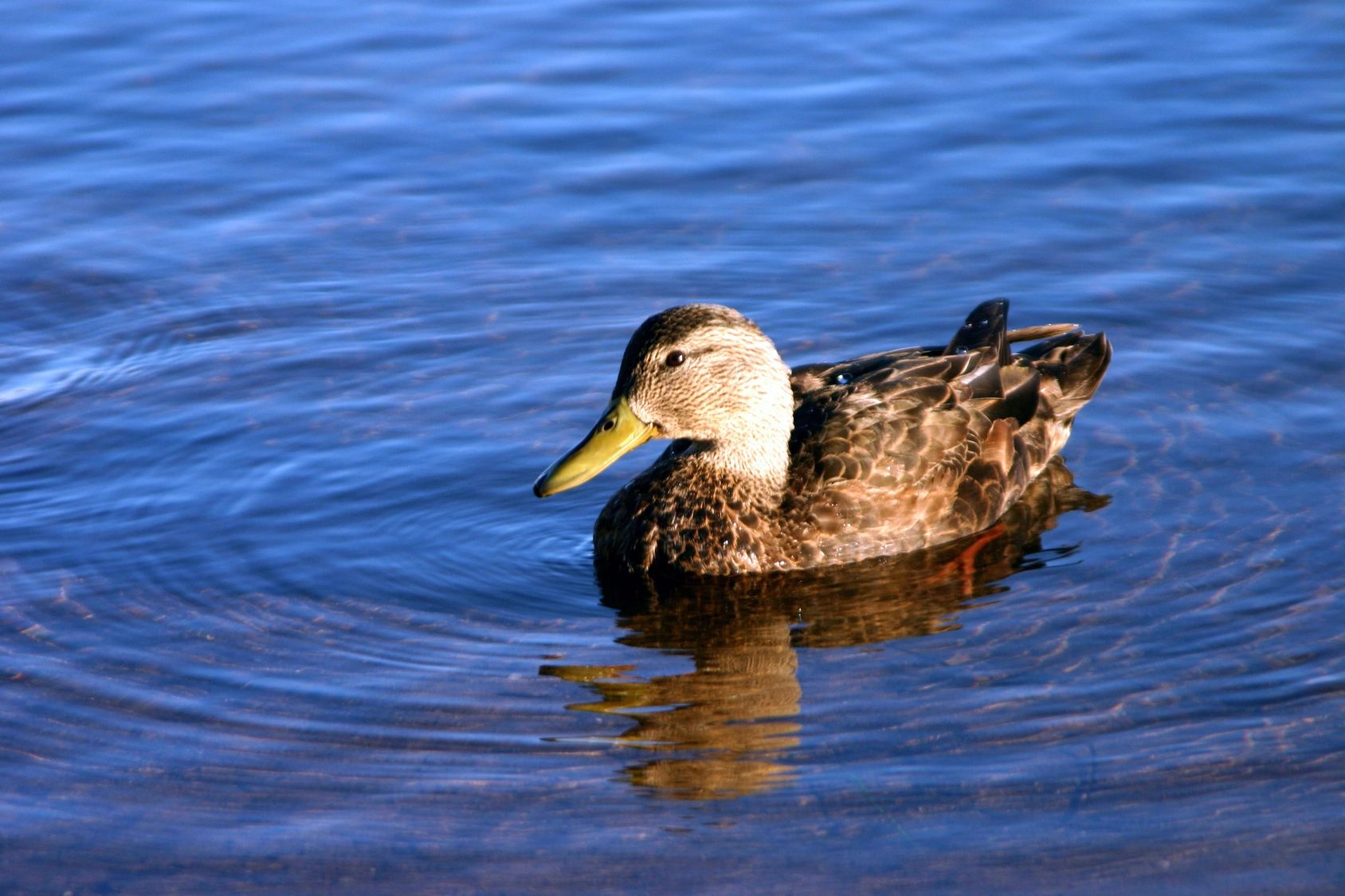
People get West Nile virus from the bite of an infected mosquito. But mosquitoes don’t get the virus from people. They get it by feeding on infected birds.
Here’s how it works. A mosquito bites an infected bird and picks up the virus. It then spreads the virus by biting more birds. The main blood meal for the female mosquitoes are birds, but some of the mosquitoes end up biting people (birds are an easily accessible outdoor target – and there are lots of birds around).
Birds have immune systems too. Most birds survive West Nile infection and develop immunity after that, making them less likely to become infected again and pass the virus to another mosquito… which explains why West Nile tends to run in cycles.
A wet and wild monsoon can produce lots of mosquitoes. But mosquitoes alone don’t cause a large outbreak. The virus also needs susceptible birds to keep the bird-mosquito-bird cycle going.
After a few summers with low West Nile activity, more young birds enter the population without immunity. If a wet summer, then produces lots of mosquitoes, the virus can take off because there are lots of easily accessible birds around.
Lots of mosquitoes plus lots of susceptible birds equals more virus in the mosquito population and more chances for people to get infected.
Clinical Signs and Symptoms of West Nile Virus Disease | West Nile Virus | CDC
Finding the Hot Spots
Our county health departments all have vector control programs that depending on what part of the state they’re in do varying levels of mosquito abatement work. Maricopa County sets hundreds of mosquito traps across the Valley.
Many use dry ice, which releases carbon dioxide to attract the mosquitoes to the trap. Mosquitoes are attracted to carbon dioxide because it is one of the signals they use to find animals and people.
County staff collect the mosquitoes and test groups of them for West Nile virus. The results help find neighborhoods where infected mosquitoes are concentrated.
That gives mosquito-abatement staff clues about where to look for standing water and breeding sites.
Most homeowners know to check buckets, flowerpots, wheelbarrows, old tires and clogged gutters after it rains.
But we have lots of other breeding sites too. For example, we have thousands of neglected swimming pools in Arizona. Some have broken pumps or bad water chemistry. Some are completely drained but collect enough rainwater to breed mosquitoes.
Storm drains can be another weird source. Leaves, trash and other debris can block drainage under the street level and leave pockets of water underground.
Once a breeding site is found, mosquito-control staff can remove the water or use larvicide to prevent mosquito larvae from becoming adults. When infected adult mosquitoes hot spots are found via the mosquito traps, the county may also use targeted spraying to kill the adult mosquitoes.
What Can You Do?
Start with your own property. Dump or treat standing water. Check pool covers, toys, plant saucers, irrigation equipment and containers hidden along the side of the house.
Pay attention to the neighborhood too. Report green pools, clogged drains and other likely breeding places.
Use mosquito repellent when mosquitoes are active. Wear loose-fitting long sleeves and pants when practical, especially around dusk and dawn.
Small indoor mosquito traps may catch a few mosquitoes that get inside, but don’t let a gadget substitute for screens, repellent and getting rid of standing water.
Could 2004 Happen Again?
Arizona’s 2004 outbreak was unusual because West Nile had only recently arrived. Almost none of the bird population had immunity so the virus spread rapidly in the urban bird population. Maricopa County recorded 355 cases that year.
But we shouldn’t assume an outbreak that large can never happen again. In 2021, Maricopa County had 1,487 cases and 101 deaths the largest West Nile outbreak ever recorded in a single U.S. county.
Note: 2021 was an active monsoon in the Phoenix area. The airport reported 4.20 inches that summer. The Phoenix Rainfall Index, which averages gauges across the Valley, measured 5.82 inches—the second-highest total since that index began in 1990.
West Nile prevention is just one of the many ways county health departments quietly work every day to keep us healthy and safe. Their teams trap and test mosquitoes, investigate human cases, track neighborhood hot spots, find breeding sites and stop breeding to prevent things from getting worse. Most of that work happens behind the scenes.
We all have a role at the micro level: dumping standing water, maintaining our pools, reporting green pools and clogged drains, using repellent and paying attention to what’s happening around our own homes.
County health departments manage the big picture. The rest of us need to manage our part of it.
Research Surveillance Note:
Crystal M. Hepp, Ph.D., an Associate Professor at the NAU School of Informatics, Computing, and Cyber Systems has made some interesting discoveries about WNV in Arizona.
-
- Genomic efforts have revealed that West Nile virus is endemic in Maricopa County, and has been since 2013. This means that rather than being imported from somewhere else, the same variant of the virus that was circulating in the prior year is able to overwinter in the county due to mild winters, and then reemerge the following year.
- Genomic efforts have additionally revealed that the latest variant that is causing the majority of WNV transmission in the county entered the county in 2023, starting in the southeast valley. Over the next three years, this variant moved west across the valley, with 2025 showing the greatest amount of westward dispersal. This movement was supported by the warmest winter on record, resulting in near-continuous WNV circulation.
- Research has further identified a few distinct source locations that are being or have been targeted for additional mitigation efforts to further drive down the virus population and reduce risk.
