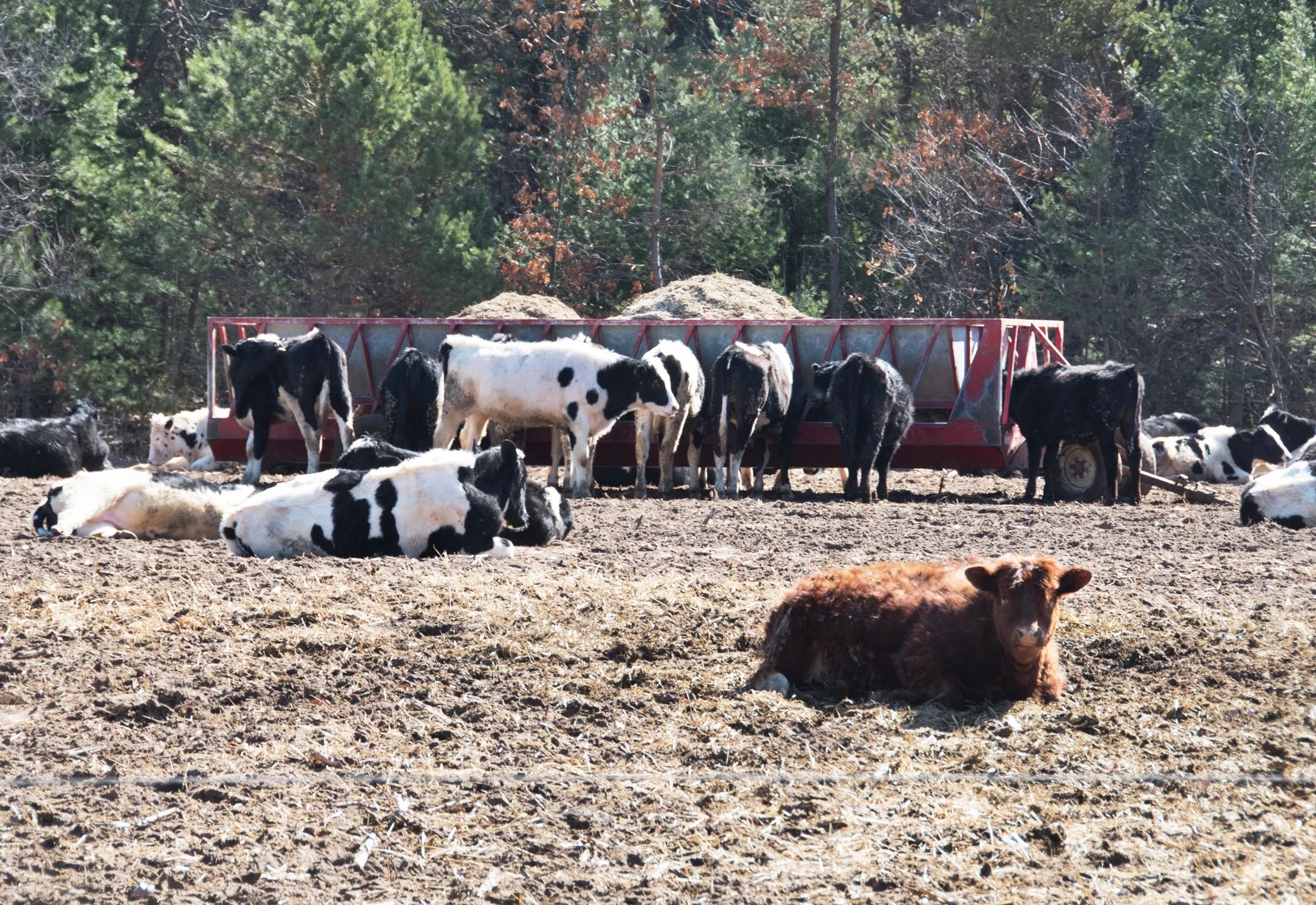
A fly that wreaks havoc on ranchers that we got rid of in the U.S. 60 years ago is back in the U.S… and now it’s in Arizona too.
The first Arizona case of New World screwworm was found in a dog in Cochise County about a month ago. That’s the first known case. There may well have been other infestations in wildlife or even cattle before that. Since then, the parasite has been discovered in Graham, Greenlee and Pima counties too.
Don’t worry. This isn’t going to be a piece about how the parasite is a huge public health threat. It’s mostly a threat to the financial bottom line for ranchers and such.
Some Fascinating Biology
Remember your high school science class when you learned about insect life cycles? Eggs, larvae, pupae and adults? The New World screwworm follows that life cycle.
The New World screwworm isn’t a worm. The name refers to the larva stage (maggot) of a blue-green fly. Unlike most maggots that eat dead and decaying tissue… these larvae eat the living tissue of mammals.
A female fly finds a mammal with a cut. She lays a couple hundred eggs along the edge of the cut. The eggs hatch super-fast – in one day.
The larvae then eat their way into the cut. After about a week the maggots drop to the ground and turn into pupae. A week or so later adult flies appear, and the life cycle starts over again.
Without treatment (removing the larvae and cleaning the wound) the animals get bigger wounds. Bacterial infections can set in, making the animal sick or even killing it.
It’s really mammals that live outside that are most at risk of infestation. Humans have been infested before… but that’s not really the main reason why policymakers care about the fly… it’s the risk it poses to the financial bottom line of cattle ranchers and such.
You also don’t need to worry about getting screwworm from eating a hamburger or steak or from drinking milk. It’s not a foodborne disease. USDA meat inspectors are supposed to examine cattle both before and after slaughter. But even if an infestation is missed, eating the beef doesn’t transmit the parasite to humans.
The Intervention: Introduce Sterile Male Flies
Female screwworm flies generally mate just once. Males can mate over and over again. Ag scientists figured out decades ago that they could control fly infestations by manufacturing sterile male screwworm flies and dropping them into areas that have infested mammals.
Lab scientists raise millions of flies in special factories. During the pupal stage they dose them with gamma radiation that sterilizes them without killing them.
Then they release them from planes and drones by the millions over areas where surveillance says they’re infesting mammals.
When a wild female mates with a sterile male, none of the eggs hatch. By repeating the treatment, the local population dies out.
That’s how we got rid of screwworm in the U.S. in 1966. Over the next 40 years we’ve worked with other countries to push the fly all the way back to the border between Panama and Colombia.
For years we’ve been producing and releasing about 100 million sterile flies a week to help keep it there.
In 2023 the flies started infesting animals north of Panama and by late 2024 they had reached Mexico. Then the DOGE bros started making their cuts, giving the screwworm an advantage as it moved north.
- DOGE bros cut $250M in USAID international disease prevention funding, including projects specifically designed to monitor and contain screwworm in Central America.
- Staffing at USDA’s Animal and Plant Health Inspection Service was cut by about 23%. According to former USDA officials, the loss of experienced veterinarians and spending reviews slowed the response. Current USDA leadership disputes that assessment.
Now that the screwworm flies are infesting cattle in the US, USDA now has to respond by spending way more money than we were spending via USAID interventions.
The factory in Panama is now making 100 million flies a week and a new factory opened in Metapa, Mexico that can make 40 million a week. USDA is now also building a big fly factory in southern Texas that will start producing flies in 2027 and eventually produce 300 million a week.
What Does This Mean for Arizona’s Ranchers?
Unlike with bird flu, whole herds don’t need to be euthanized. Infested cattle can be treated and eventually sold for food. The real problem seems to be the logistics.
Cattle ranchers have cattle spread across thousands of acres of southern Arizona rangeland. In order to protect their animals, they need to routinely check them for wounds. Sick cattle need to be rounded up, treated and checked again.
During a big outbreak in Texas in 1976, animal deaths accounted for 42% of the financial losses. The rest came from extra labor, weight loss, medications, transportation and losses when selling cattle.
So, while screwworm isn’t a threat to the safety of beef it does affect the price.
What’s Arizona Doing?
The Arizona Department of Agriculture is doing surveillance, educating ranchers and veterinarians and setting up 12-mile radius zones around confirmed cases.
They also have restrictions on moving animals out of those zones. The idea is to keep infested animals from going to other areas and introducing the flies to previously screwworm-free areas.
They’re also working with USDA on sterile fly releases and the construction of a fly dispersal facility in Douglas.
Take Home Message
There’s an old saying in public health that an ounce of prevention is worth a pound of cure. The DOGE bros missed that lesson when they took their chainsaw to international disease prevention programs.
Now we’re spending a whole lot of money fighting a fly that for decades we paid a whole lot less to keep in Panama. And it’s the very ranchers who mostly voted for this administration who will suffer the brunt of the financial impact.