Now Accepting Nominations for 2025 AzPHA Public Health Awards

Thursday, October 23, 2025

5:30 – 8:30pm

435 Collective

435 S 3rd Ave, Phoenix, AZ 85003

Each year AzPHA recognizes public health professionals, health professionals and community members across Arizona who are performing extraordinary services to our community at our annual awards event. Many of our awards go back decades.

Now Accepting Nominations

for:

  • Policy Maker of the Year 
  • Senator Andy Nichols Honor Award 
  • Pete Wertheim Public Health Leadership Award 
  • Public Health Research Award 
  • Alida Montiel Indigenous Health & Advocacy Award 
  • Rising Public Health Champion 

Nominate Here: Deadline September 1, 2025

Register Today: Only $45

Includes complimentary beer, wine, soft drinks & taco bar!

US Supreme Court Dooms Federal Workforce

Last week the U.S. Supreme Court cleared the way for Kennedy and several other Secretaries to flush the federal workforce, lifting injunctions that had temporarily blocked large-scale job cuts across multiple federal agencies.

In the unsigned order, the Court determined the administration is “likely to succeed” in asserting the executive power to fire a large portion of the federal workforce without congressional approval… yet leaving unresolved the underlying legality of specific reduction plans.

The ruling gives Trump’s Secretaries the green light to fire as many people as they want  with limited judicial oversight (at least in the in the short term). The fact that they lifted the earlier injunctions suggests they have already decided the government is ‘likely to succeed’ meaning they’ve probably already made up their minds.

Standing for Science: APHA & AzPHA Push Back Against Harmful Federal Policies

The American Public Health Association has been filing lawsuits against Secretary Kennedy over recent federal decisions that threaten to undermine vaccine access (and many other things) across the United States.

AzPHA proudly supports this effort and is the first affiliate to join the inaugural class of APHA’s 1872 Society, a new donor group committed to defending science, equity, and public health infrastructure.

Secretary Kennedy’s most recent decision rolls back evidence-based vaccine recommendations and access—pose a serious threat to public health. His non-scientific, anti-vaccine stance risks reversing decades of progress in preventing disease and protecting communities.

As Public Health Comes Under Threat APHA is Taking Action

The APHA lawsuit is a necessary and courageous response. It may be the only meaningful check and balance to prevent widespread harm caused by these regressive policies.

In a letter to AzPHA this week, APHA leadership thanked us for our “deeply appreciated and critically important” contribution to the 1872 Society, which is dedicated to funding these important lawsuits. The letter emphasized how investments like ours help APHA lead “with strength and clarity” at a time when that leadership is urgently needed.

The 1872 Society was created to honor APHA’s founding year and to recognize donors who help sustain the organization’s most impactful work, including:

  • Litigation to protect public health funding and scientific integrity
  • National advocacy for fair, evidence-based policies
  • Strategic communications that combat disinformation and rebuild trust
  • Support for APHA’s core operations, which serve public health professionals across the country.
Standing Up for Public Health: How We’re Helping APHA Fight Back

As an affiliate, AzPHA is proud to stand alongside APHA in this effort. We believe these aren’t just lawsuits…  they are part of our mission and the future of our field.

We urge other affiliates, partners, and members of the public health community to join us in supporting this work of valor.

 Learn more about the lawsuit and APHA’s response to recent federal decisions:


APHA sues HHS over COVID recommendations

Public Health Heroes: Navajo County Health Department Limits Measles Exposure

Guest Blog by AzPHA Former AZPHA President Kelli Donley Williams

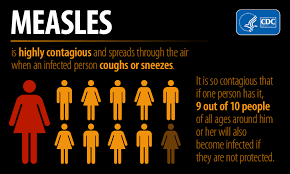
In early June, one of public health’s most dreaded headline’s hit the news: a local child was hospitalized with measles. Quick behind the scenes actions by a heroic team at the Navajo County Public Health Services District kept this news from becoming a statewide nightmare.

Cathy Solomon, MPH, RN, who serves as the district’s clinical services division manager and nurse epidemiologist, said a toddler who had recently traveled with family to Mexico, was transferred to Phoenix Children’s Hospital for further care after being treated at a local hospital. At PCH, the child tested positive for measles. With this news, an epidemiologist from ADHS reached out to notify Cathy’s team, who then jumped into action to protect their community.   

“Upon notification, our communicable disease team launched a full investigation. We initiated contact tracing and began assessing potential exposure locations and individuals,” Cathy said. “We provided public health guidance and strongly recommended isolation for anyone identified as having been potentially exposed during the infectious period. Coordination between our department, ADHS, and healthcare providers was key to ensuring accurate risk assessment and containment of potential secondary cases.”

How was the team able to keep the infectious disease from spreading?

“Fortunately, the family played a significant role in limiting further exposure,” she describes.  “Upon returning from their international travel, they were already aware of their potential exposure to measles and chose to self-isolate as a precautionary measure. They refrained from attending public gatherings or visiting shared spaces.

All essential items such as groceries were delivered to their home. The only public setting visited during the infectious period was an urgent care facility, and that visit was for an ear infection after the rash had resolved. This limited movement significantly reduced the risk of broader community transmission and allowed us to focus our investigation on a very narrow scope of potential contacts.”

How did Cathy and the team communicate to Navajo County citizens about measles?

“In response to the confirmed case, we issued a public service announcement through multiple channels, including our official website, social media platforms, and local print media,” she said.

“Our messaging emphasized the importance of MMR vaccination, symptoms of measles, what to do if exposed, and the measures being taken to prevent further spread. To enhance community understanding, we also produced and distributed a short educational video featuring a local pediatrician and our medical director. This video provided a reassuring and informed voice to the public and encouraged vaccination and vigilance.”

Although the team did see a modest increase in the number of individuals seeking MMR vaccine in the two weeks immediately following the campaign, Cathy said the increase was lower than anticipated considering the severity of the disease and risk of outbreak.

“This highlights the ongoing challenges we face in vaccine hesitancy and the need for sustained, proactive community education and engagement efforts beyond outbreak-related events.”

What would she recommend to other health departments who may face similar situations?
  • Early and transparent communication with state health authorities enabled rapid coordination and response.
  • Proactive self-isolation by the affected family, though voluntary, was highly effective and underscores the value of public awareness and education.
  • Targeted messaging that featured trusted local medical professionals helped lend credibility and accessibility to our public health information.
  • Internal preparedness, including having a trained communicable disease team, standardized investigation protocols, and partnerships with local media and emergency management teams, allowed for an efficient and comprehensive public health response.
    We also recommend maintaining updated community contact lists and relationships with healthcare providers to expedite communication and coordination when time is critical.

When asked who we could thank for this incredible community public health work, Cathy didn’t hesitate:

“I would like to extend my sincere appreciation to Maggie Riesop, our dedicated infectious disease nurse, who led the case investigation, performed the contact tracing, and coordinated follow-up communications with those potentially exposed.

Her thoroughness and professionalism were key to containing the incident. I would also like to thank our Emergency Management Public Information Officer (PIO) team for their swift and effective development and dissemination of public messaging, which helped keep our community informed and supported during the response.”

Bravo to all in Navajo County, at Phoenix Children’s, ADHS, and otherwise who flexed their public health muscles during this stressful time. We are thankful for your coordination, late nights, and partnership. Arizona is a healthier place because of your work!

Do you have a public health hero or program you’d like to highlight? Email details to: kellidonley@gmail.com

HR1 Guts Clean Energy & EV Incentives: Arizonans Need to Act Now to Get Tax Credits

If you’re a homeowner in Arizona thinking about going solar or buying an EV, you’ll need to get on the stick. Same thing for businesses and utilities.

While many of HR1’s cuts to safety net programs like Medicaid and food assistance won’t kick in until after the 2026 midterm elections congress made sure the elimination of clean energy incentives is immediate.

HR1 rapidly ends federal tax credits that have helped ordinary homeowners (like us, when I installed rooftop solar two years ago) afford clean energy upgrades.

We Installed a Solar Power System at Our House: This is Our Story – AZ Public Health Association

That includes a soon to expire 30% Residential Clean Energy Credit, which helped thousands of Arizonans install solar panels, batteries, and other home efficiency improvements.

That tax credit will be eliminated on December 31, 2025, with no phase-out and no grace period. To qualify for a tax credit systems must be fully installed & connected to the grid before the deadline New Years Day 2026 (not just contracted).

The timeline is even tighter for EVs. The $7,500 new EV tax credit and $4,000 used EV credit both expire on September 30, 2025.

And for businesses and utilities?

The bill strips away the long-term certainty they’d counted on as many businesses, community health centers (like Chiricahua), and utilities made plans to convert to a bigger renewable portfolio. To qualify for the Investment Tax Credit, business and utility projects must begin construction by July 4, 2026, and be connected and in service by the end of 2027.

HR1’s elimination of tax incentives to invest in clean energy will slow down but not end the conversion to renewables as the ROI for clean energy projects is rapidly becoming the least expensive way to boost power generation even without the tax credits. In addition, new solar components in panels that source less and less expensive, improving the ROI.

Note: Tariffs on solar panels from China are also impeding conversion to solar as China is a global leader in production of inexpensive solar panels. Same goes for electric vehicles – which have a 100% tariff imposed on them.

If you’ve been thinking about solar or an EV the time to act is now. With the coming ‘gold rush’ of solar installation that’ll be created by the impending end of the credits, permitting delays, installer backlogs, and supply chain snags…  you better get started NOW.

The Republican majority in Congress may have delayed politically sensitive cuts to healthcare and nutrition assistance but they’ve fast-tracked the end of clean energy support.

For Arizona households and businesses, that means making big decisions fast or losing out for who knows how long.

Kennedy Kicks Immigrants & Asylees in the Teeth

In a heartless & cruel (but not unexpected) policy shift, Secretary Kennedy declared an end to long-standing interpretation of the Personal Responsibility and Work Opportunity Reconciliation Act of 1996 – cutting off access to the already limited health and social services for immigrants and even most asylum seekers.

HHS Bans Illegal Aliens from Accessing its Taxpayer-Funded Programs | HHS.gov

The 1998 interpretation of PRWORA (crafted under the Clinton administration) had allowed for limited access to some essential services like community health centers, Head Start, and certain mental health and addiction recovery programs.

Kennedy is ending access to any and all of the already limited benefits, undercutting public health practice grounded in compassion, prevention, and pragmatism.

Denying people access to basic healthcare services, behavioral health programs, early childhood education, and family planning care is morally indefensible and harmful to our entire society.

History of Considering Public Benefits – AZ Public Health Association

His ban impacts access to Certified Community Behavioral Health Clinics, Community Mental Health Services Block Grants, Head Start, Title X Family Planning services, SAMHSA programs for substance use disorder treatment and prevention, homeless transition services, and even support for foster care and kinship placements.

These programs are lifelines not just for immigrants but for the public health system as a whole.

For example, community health centers treat infectious diseases, manage chronic illness, and ensure people (regardless of status) aren’t left to suffer or deteriorate in silence. Restricting access doesn’t make health needs disappear; it just increases suffering and shifts costs elsewhere like to emergency rooms and jails.

Immigration Status, Public Benefits, Health & Access to Care: A Primer – AZ Public Health Association

Secretary Kennedy is using the narrowest and harshest possible reading of the law.

PRWORA allowed flexibility in defining who could be served under specific exceptions for programs addressing public health emergencies, immunizations, and short-term, non-cash disaster relief.

Asylum seekers fleeing persecution are being told they can’t get mental health support or even basic health services.

Parents trying to keep their families healthy are being locked out of family planning and Head Start.

The long-term consequences? Higher rates of untreated mental illness, addiction, and preventable disease, and more children entering emergency foster placements and driving up government spending in other areas. Because undocumented folks will no longer be able to access community health centers, they’ll be stuck going to emergency departments instead, driving up expensive uncompensated care.

Note: Because Kennedy doesn’t have the authority to tell hospital emergency departments to turn away undocumented people (protected under a different law called EMTALA) he didn’t do that today… but he would have if he could have.

When some people are excluded from care, the entire community suffers. Diseases don’t ask for a green card. Addiction doesn’t care about immigration status. Denying care won’t stop people from needing it… it will only make it harder and more expensive to address later.

In short, this is yet another intentional harm from Kennedy… one that APHA will shortly be challenging in court.

Note: There’s no information yet about the details about how programs like FQHCs might implement the requirement for status verification. The policy becomes effective upon official publication in the Federal Register, expected July 11, 2025. A 30-day comment period on the notice will begin upon publication, followed by Kennedy’s rubber stamp.

AzPHA Supports Prop 409: An Important Investment in Maricopa County’s Public Health System

This fall, voters in Maricopa County will have a rare opportunity to strengthen our community’s health infrastructure by voting YES on Proposition 409.

The Arizona Public Health Association Board of Directors has already endorsed the measure, and we’re encouraging our members to join us in individually supporting this critical investment.

Valleywise Health Proposition 409 Voter Guide

Valleywise Health is Maricopa County’s only public teaching hospital and safety-net health system. Every day, it delivers trauma, burn, and behavioral health care to thousands of Arizonans, especially those with nowhere else to turn. But with our county’s population growing quickly and the need for care rising even faster, Valleywise’s aging facilities are struggling to keep up.

Proposition 409 will authorize $898M in bonds to modernize and expand the Valleywise Health system, ensuring it can continue delivering life-saving care to our most vulnerable neighbors. Specifically, Prop 409 would:

  • Double inpatient and observation capacity
  • Modernize emergency and trauma departments
  • Rebuild outdated care facilities, including the Phoenix Comprehensive Health Center
  • Expand behavioral health treatment areas
  • Upgrade training environments for tomorrow’s healthcare workforce
  • Improve access to care in underserved neighborhoods

Importantly, this bond will ensure Valleywise can continue meeting its legal obligation to conduct court-ordered mental health evaluations… an important gateway to timely behavioral health treatment.

This is a mail-in only election for Maricopa County voters, and we need strong, early engagement from the public health community. As a member of AzPHA, your individual endorsement can help elevate this once-in-a-generation opportunity to strengthen Arizona’s health system.

 Sign Up In Support of Prop 409 Here

Learn More About Prop 409

Together, we can help ensure that Valleywise Health has the tools and space it needs to keep our communities healthy, safe, and cared for.

PS: AzPHA will be submitting an argument in favor of Prop 409 in the voter publicity pamphlet – the final language of our support letter is still being revised.

See AzPHA’s Ballot Argument in Favor of Prop 409

Submit your ballot argument here

Congress Passes Budget with Huge Deficit Spending & Large Cuts to Social and Health Services

By now of course all of you know that Congress passed HR1 – the large tax break bill for wealthy people along with some cuts to social and healthcare spending – along with very large deficit spending.

In general, the reductions to revenue (tax cuts for wealthy people and people who put in overtime and collect tips) happen right away while the cuts to social services like Medicaid and SNAP don’t happen for a few years – in most cases not until after the 2026 mid-term elections.

Here’s what the bill does in a nutshell/The Senate passed bill includes:

Medicaid Work Requirements

Require childless adults and parents of children older than 13 to work, volunteer or attend school for 80 hours a month as a condition of enrollment, unless they qualify for an exception –$317 bil.

AZ will already be implementing this as a result of a bill Ducey signed in 2015. AZ will need to expand the required populations up to 64 from 56.

The main way people get knocked off Medicaid with this approach is due to failure or inability to report the work/school attendance rather than not qualifying. How good a job the state does making it easy for people to report compliance is a HUGE part of this.

Provider Taxes that Pay State Match

Freeze current state taxes on most providers in states that have not expanded Medicaid and slowly lower the allowed rates in expansion states from 6% to 3.5% 

AZ pays the state part of the match with a provider (hospital) tax for 550,000 AHCCCS enrollees. AZ will be able to collect less from that assessment starting in 2028 making the legislature find a different funding source to keep them enrolled. Will they do that? I think not.

Hospitals will need to work under the assumption that 550,000 Medicaid members will be disenrolled in 2029 because the legislature is unlikely to pick up the tab for the reduction in the hospital assessment – making them way less likely to expand (especially in rural AZ)

Note: these impacts are worse in rural AZ because while about 17% of urban Arizonans are on Medicaid – 38% of rural people are on AHCCCS.

The reduction schedule begins in FY 2028 and gradually reduces the current 6 % cap by 0.5 percentage point per year, reaching 3.5 % in FY 2032.

So, the schedule is:

  • FY 2028  5.5%
  • FY 2029  5.0%
  • FY 2030  4.5%
  • FY 2031  4.0%
  • FY 2032 (and beyond)  3.5%

–$183 bil.

Limit Provider Directed Payments

Prevent expansion states from using special funding to pay Medicaid providers higher prices than Medicare would pay. Limit non-expansion states to slightly higher prices. –$149 bil.

This will mean the Healthy AZ payments will need to go down and doctors and other providers will leave the Medicaid network because of bad reimbursement. That will hurt rural AZ hospitals the most.

More Medicaid Eligibility Checks

Require states to check eligibility of people in the Medicaid expansion every six months instead of once a year –$58 bil.

AZ Medicaid members will need to get redetermined every 6 months vs once per year – that doubles the chances for people to get knocked off because they didn’t reply to the RFI on time etc.

Rural Health Fund

The bill has a ‘rural health fund’ with $50B in it to help states support rural health care providers

Important Note: the final bill did not change the percentage rate at which the federal government pays for Medicaid in states (aka the FMAP rate). 

Requires SNAP State Matching Funds

SNAP cost-shift to States with a payment error rate of 6% or higher. Requires states (except for Alaska) to pay a share of benefits currently funded in full by the federal government. Increases the share of state costs to administer the SNAP program from 50% to 75%

Clean Energy Incentives Eliminated

Ends Residential clean energy credit

Terminates the tax credit for rooftop solar, geothermal heat pumps and other home devices by Dec. 31, 2025 (-77B)

Way fewer people will install rooftop solar.

Ends Clean vehicle credit

Terminate the $7,500 consumer rebate for electric vehicles by Sept. 30, 2025 (-78B)

Fewer people will buy EV – and it’s not just the tax credit ending it’s the enormous tariffs being charged on Chinese EV’s (which are the best and most affordable). tariff is 100%

Ends Qualified commercial clean vehicles credit

Terminate the credit for companies that buy electric cars or trucks, including businesses that lease the vehicles to consumers, by Sept. 30, 2025 (-105B)

Business will stop or really slow down buying EV’s

Ends Clean energy electricity investment credit

Quickly ending tax credits for investments in zero emissions electricity sources. Wind and solar projects to claim the credit as long as they begin construction by July 2026 or come online before the end of 2027.

Nuclear projects would have more time. It is unclear how the changes will affect the provision’s savings. (-178B). 

This will make electricity more costly as a main incentive to expand with good solar ends because the tax credits are ending. 

_________________ 

I’m at a loss for words on a final editorial comment on all this. It’s just sad and discouraging that millions of people in this country are good with all this stuff including the 300% increase in spending for ICE agents who abduct, incarcerate, and deport asylem seekers (and other migrants) and the 265% increase in funding for new immigration detention centers.

What’s in the Senate Version of Trump’s Big Policy Bill? – The New York Times