
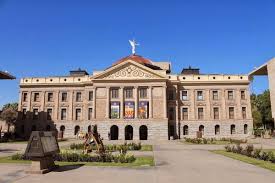
The 2026 Arizona Legislative Session kicks off in just seven short weeks, and early conversations at the Capitol are already pointing to a crowded policy agenda.
As always, which ideas ultimately become bills—and which of those receive hearings, amendments, or traction—will come down to committee chairs, caucus priorities, fiscal constraints, and the political dynamics of an election year. But based on what we’re hearing, here’s a preview of the major themes likely to shape the session.
Healthcare Financing, Coverage, and System Oversight
Legislators are expected to revisit several complex issues related to healthcare costs and coverage. Concerns about uncompensated care and cost-shifting to employers continue to drive interest in reforms to the insurance marketplace.
Proposals may appear around health insurance company regulation, improving navigation support for health coverage, and policies aimed at addressing fraud, waste, and abuse across the health sector.
A significant focus will likely be on safeguarding Arizona’s ability to use provider taxes to draw down federal matching funds for AHCCCS, a key financing tool for maintaining Medicaid stability.
Lawmakers are also expected to consider measures to preserve coverage gains in Medicaid, CHIP, and ACA marketplace enrollment, while some may advance proposals promoting a more explicitly free-market model of healthcare.
Behavioral health access—including workforce, licensing, and reimbursement challenges are also expected to feature prominently.
Early Childhood and Child Development
Several legislators are signaling renewed attention to early childhood, including all-day kindergarten funding options, strengthening the early childhood system, and investments in child development supports. Expect ongoing debate about funding models and the long-term return on early learning investments (but little or no progress).
Housing, Homelessness, and Community Development
Housing will again be one of the biggest policy arenas of the session.
Anticipated proposals include:
- Arizona Department of Housing reauthorization
- Investments in the AZ Housing Trust Fund and making its annual appropriation permanent
- Updates to the Low-Income Housing Tax Credit program
- “Yes in God’s Backyard (YIGBY)” strategies to encourage faith-based organizations to develop housing
- A continued push for attainable workforce housing
- Support for new facilities and services to mitigate homelessness
- Efforts to reduce zoning barriers and community opposition to affordable housing and shelters
Workforce housing is also expected to appear in the broader set of healthcare workforce policies, including graduate medical education, recruitment and retention, and transportation-related supports.
Civic Health and Voting Access
Measures affecting civic participation will likely surface again, probably as a ballot referral by the legislature (Hobbs can’t veto those). We expect opposition to proposals that would limit early voting or otherwise create inequitable barriers to voter access.
Infrastructure, Economic Development, and Workforce Training
Infrastructure needs are still a perennial topic, especially as the state continues to attract large-scale business and population growth. Anticipated areas of focus include:
- Water, wastewater, transportation, and power infrastructure
- Investments in training and workforce development
- Licensing reforms aimed at creating a system that is both safe and predictable
- Financing tools—like Tax Allocation Districts—to help local governments stay competitive in business attraction and retention
The Legislature is also expected to revisit Prop 123 / State Land Trust Permanent Fund issues and once again debate the Aggregate Expenditure Limit (AEL), which continues to affect K–12 operations and school district flexibility.