ADHS Stepping on the Rulemaking Gas

The ADHS has really stepped up the pace of their rulemakings in the last several months. For a long time, stakeholders have been frustrated at the pace of agency rulemakings at the agency. Someone recognized the need for more rule writers in the Operations side of the house.

Among the most important of those rulemakings is one to finally increase the Health Care Institution Fees needed to run the assurance and licensure side of the house. Fees to regulate things like assisted living, skilled nursing, outpatient treatment, hospitals and surgery centers and behavioral health facilities haven’t been adjusted since 2009 when I set them – meaning in real dollars the department only has about ½ the money they did 15 years ago to do that important work.

Among the other important rulemakings underway, the department also finally posted draft rules for Secure Behavioral Health Residential Facilities that will be providing 24-hour on-site supportive treatment and supervision for individuals who are seriously mentally ill and chronically resistant to treatment.

A draft of the proposed rule changes has been posted on the Department’s rulemaking webpage and is available for public comment through July 27, 2025

Here’s a listing of the active rulemakings… shows us that someone in leadership over there knows of the need and has finally resourced that critical part of the agency mission.

Rulemakings In Progress – Home

What the Latest U.S. Supreme Court Term Means for Public Health

As Arizona’s public health community contends with growing needs and strained systems, recent decisions from the U.S. Supreme Court have reshaped the legal landscape in ways that will affect health access, equity, and administration—not just nationally, but here at home.

During President Trump’s second term, SCOTUS weighed in on several major cases that touch the core of public health: access to evidence-based care, health equity, regulatory authority, and protections for vulnerable populations.

The ASU Center for Public Health Law and Policy just completed their annual assessment of key public health law and policy cases before the U.S. Supreme Court for the Journal of Law, Medicine, and Ethics is now available online ahead of print via SSRN at the following link: https://papers.ssrn.com/sol3/papers.cfm?abstract_id=5328006.

Here’s a brief overview of the most impactful decisions this term and what they could mean for our work in Arizona:

Where the Court Upheld Public Health Interests

Several rulings affirmed protections that help preserve public health infrastructure and individual rights:

  • USPSTF Authority Preserved
    The Court upheld the legitimacy of the U.S. Preventive Services Task Force, ensuring continued coverage for vital services like cancer screenings and vaccines under the Affordable Care Act.
  • Upholding the Right to Challenge Denials of Public Benefits
    In a COVID-related case, SCOTUS expanded individuals’ ability to bring federal constitutional claims when denied public benefits… critical in safeguarding due process for people relying on health, disability, or food aid.
  • Stronger Protections for Students with Disabilities
    The Court affirmed the right of families to seek federal relief when public schools do not provide adequate plans for children with disabilities, helping ensure long-term health and educational outcomes.
  • Regulatory Power Affirmed for FDA and ATF
    The Court backed the FDA’s authority to regulate flavored vaping products that disproportionately attract youth and affirmed the ATF’s power to classify ghost gun kits as firearms—important wins for harm reduction and violence prevention.
  • Attempt to Regulate Online Pornography to Protect Minors
    In a complex free speech case, the Court acknowledged states’ interests in protecting children from harmful content online.
Key Setbacks
  • Limits on Gender-Affirming Care for Minors
    The Court allowed state bans on medical treatment for transgender youth to stand, even when such care is prescribed by physicians. This decision elevates legislative authority over clinical judgment, raising concerns for Arizona providers and health systems trying to meet the needs of transgender patients within the bounds of evolving state law.
  • Weakened DEI Protections in Employment
    In a ruling that undercuts workplace equity efforts, the Court narrowed the interpretation of Title VII, ending distinctions between systemic discrimination against minority and majority groups. This will make it harder to defend targeted DEI initiatives, including those within public health agencies and nonprofit organizations.
  • Reduced Legal Recourse for Patients Excluded from Medicaid Networks
    The Court ruled that patients cannot sue states for excluding providers who also offer abortion services from Medicaid networks. In Arizona, this limits judicial recourse for marginalized patients whose options may already be severely constrained.
  • Rural Hospitals Denied Reimbursement Relief
    A case brought by rural hospitals seeking better Medicare reimbursement was denied, a decision that may worsen access in Arizona’s already under-resourced rural regions, where provider shortages and uncompensated care burdens are significant challenges.

These rulings remind us that the courts are the most significant force defending against unlawful and unconstitutional policy decisions that have been and will continue to be pressed by the Trump administration and their harmful cabinet secretaries. Keep in mind that the above analysis is just for the US Supreme Court analysis and doesn’t include cases or rulings at the District or Appellate Court levels.

Kennedy’s Delay of Opioid Surveillance Funds Undermining Arizona’s Opioid Response

As Arizona continues to struggle with overdose deaths driven by fentanyl and other synthetic opioids, state and county health departments are being forced to hit the brakes on one of their most powerful tools in the fight: the surveillance data that informs their opioid settlement fund interventions.

The CDC’s Overdose Data to Action (OD2A) program has been a cornerstone of Arizona’s overdose prevention strategy for the last 6 years. OD2A equips state, county health departments, cities and other jurisdictions with detailed surveillance data on both fatal and nonfatal overdoses, info that’s essential for designing, evaluating and testing public health interventions.

Without OD2A data, overdose prevention becomes guesswork.

This week Secretary Kennedy decided to delay (and likely cancel) $140M in OD2A federal grants. Public health departments are now bracing for a major data blackout.

Addiction funding withheld by Kennedy : NPR

The Arizona OD2A grant expires on September 1. The delay in renewing the grant has already forced jurisdictions to pause or shelve new surveillance activities just as opioid settlement funds, intended to mitigate this very crisis, begin flowing into local communities.

A Historic Billion Opioid Settlement: What It Means for Arizona’s Public Health

Arizona is slated to receive more than $1.1B from national opioid settlements over the next 18 years, with planning underway in counties and cities. But using those funds effectively requires knowing what to fund, where, and for whom.

That’s exactly what OD2A delivered and what Kennedy has delayed and will likely delete.

Cities, counties, and the state now face spending their limited settlement dollars without the evidence needed to guide them, a counterproductive move that impairs effective intervention development.

By pulling back OD2A funding, the federal government is telling states to fly blind.

Secretary Kennedy’s pattern of sidelining evidence-based public health tools has already done tons of harm. If this one is left uncorrected, it’ll weaken overdose response efforts across Arizona and the nation resulting in unnecessary and avoidable deaths.

Making America Healthy Again indeed.

HR1 Doesn’t Just Harm Public Health w/ Medicaid & SNAP Cuts – It Also Increases Electricity Prices & Harms the Social Determinants of Health

The federal budget bill HR1 doesn’t just slash critical safety net programs like Medicaid and food assistance, it damages public health by dismantling the clean energy development incentives that will make electricity process even higher.

The bill ends a wide range of clean energy tax credits that have supported investment in wind, solar, and energy-efficient technologies. These credits didn’t just help homeowners go solar, they incentivized larger-scale clean energy projects that would have expanded Arizona’s electricity supply, lowered prices, and created thousands of jobs.

Now, with those incentives gone, electricity prices are set to rise faster than they otherwise would have, and lower-income households will be hit hardest.

Electricity is the second-largest household expense for low-income families, behind only rent—and it ranks higher than food. The nonpartisan Energy Innovation Policy & Technology analysis finds that, thanks to HR1, electricity prices in Arizona will increase much faster than they otherwise would have.

Electricity Price Impacts of HR1 In Arizona
Assessing Impacts Of HR1 On U.S. Energy Costs, Jobs, Health, Emissions

Here’s what’s coming because of HR1:

  • Wholesale electricity prices in Arizona are forecast to increase 18% by 2030 beyond what they otherwise would have risen, and 69% by 2035.
  • Arizona households could see $140 higher electricity bills each year by 2030, and $220 more by 2035 – that’s in addition to the hikes that would already have been projected to occur without HR1.
  • Commercial and industrial electricity users will also have price hikes; costs they will pass on to customers.

Why the increase in electricity prices under HR1? Arizona is expected to lose 10 gigawatts of electricity generation capacity by 2035 due to HR1’s rollback of clean energy tax credits. For low-income families, these rising utility bills have a ripple effect. Many will face choices between paying the rent, or keeping the A/C on, or buy groceries.

When electricity bills outpace even food costs, the social determinants of health start are harmed. Access to utilities is as vital to health as access to doctors. Losing that access through disconnection, eviction, or constant stress leads to chronic stress and mental health decline, increased risk of heat-related illness and respiratory conditions, poor developmental outcomes in children as families are forced into survival mode.

That’s capacity that would have kept prices down. Instead, utilities like APS will have every excuse to push prices even higher, especially since they at least currently have a super-compliant regulator (the ACC).

APS Rate Hikes & the Corporation Commission’s Industry Capture are Undermining Health – AZ Public Health Association

And it’s not just households that will suffer. EIPT forecasts $3.9B in lost GDP and up to 20,000 clean energy jobs lost in Arizona by 2035 due to HR1. That’s fewer employment opportunities and less economic resilience especially in rural and underserved communities.

This is a textbook case of how energy policy becomes health policy.

By stripping clean energy incentives, HR1 threatens not just our climate goals but the stability and health of Arizona families. It’s a silent crisis—until the bills come due.

HR1 SNAP Changes Presentation Hunger Summit

Now Accepting Nominations for 2025 AzPHA Public Health Awards

Thursday, October 23, 2025

5:30 – 8:30pm

435 Collective

435 S 3rd Ave, Phoenix, AZ 85003

Each year AzPHA recognizes public health professionals, health professionals and community members across Arizona who are performing extraordinary services to our community at our annual awards event. Many of our awards go back decades.

Now Accepting Nominations

for:

  • Policy Maker of the Year 
  • Senator Andy Nichols Honor Award 
  • Pete Wertheim Public Health Leadership Award 
  • Public Health Research Award 
  • Alida Montiel Indigenous Health & Advocacy Award 
  • Rising Public Health Champion 

Nominate Here: Deadline September 1, 2025

Register Today: Only $45

Includes complimentary beer, wine, soft drinks & taco bar!

US Supreme Court Dooms Federal Workforce

Last week the U.S. Supreme Court cleared the way for Kennedy and several other Secretaries to flush the federal workforce, lifting injunctions that had temporarily blocked large-scale job cuts across multiple federal agencies.

In the unsigned order, the Court determined the administration is “likely to succeed” in asserting the executive power to fire a large portion of the federal workforce without congressional approval… yet leaving unresolved the underlying legality of specific reduction plans.

The ruling gives Trump’s Secretaries the green light to fire as many people as they want  with limited judicial oversight (at least in the in the short term). The fact that they lifted the earlier injunctions suggests they have already decided the government is ‘likely to succeed’ meaning they’ve probably already made up their minds.

Standing for Science: APHA & AzPHA Push Back Against Harmful Federal Policies

The American Public Health Association has been filing lawsuits against Secretary Kennedy over recent federal decisions that threaten to undermine vaccine access (and many other things) across the United States.

AzPHA proudly supports this effort and is the first affiliate to join the inaugural class of APHA’s 1872 Society, a new donor group committed to defending science, equity, and public health infrastructure.

Secretary Kennedy’s most recent decision rolls back evidence-based vaccine recommendations and access—pose a serious threat to public health. His non-scientific, anti-vaccine stance risks reversing decades of progress in preventing disease and protecting communities.

As Public Health Comes Under Threat APHA is Taking Action

The APHA lawsuit is a necessary and courageous response. It may be the only meaningful check and balance to prevent widespread harm caused by these regressive policies.

In a letter to AzPHA this week, APHA leadership thanked us for our “deeply appreciated and critically important” contribution to the 1872 Society, which is dedicated to funding these important lawsuits. The letter emphasized how investments like ours help APHA lead “with strength and clarity” at a time when that leadership is urgently needed.

The 1872 Society was created to honor APHA’s founding year and to recognize donors who help sustain the organization’s most impactful work, including:

  • Litigation to protect public health funding and scientific integrity
  • National advocacy for fair, evidence-based policies
  • Strategic communications that combat disinformation and rebuild trust
  • Support for APHA’s core operations, which serve public health professionals across the country.
Standing Up for Public Health: How We’re Helping APHA Fight Back

As an affiliate, AzPHA is proud to stand alongside APHA in this effort. We believe these aren’t just lawsuits…  they are part of our mission and the future of our field.

We urge other affiliates, partners, and members of the public health community to join us in supporting this work of valor.

 Learn more about the lawsuit and APHA’s response to recent federal decisions:


APHA sues HHS over COVID recommendations

Public Health Heroes: Navajo County Health Department Limits Measles Exposure

Guest Blog by AzPHA Former AZPHA President Kelli Donley Williams

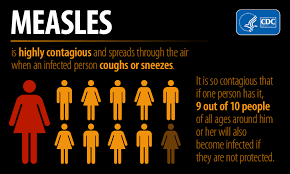
In early June, one of public health’s most dreaded headline’s hit the news: a local child was hospitalized with measles. Quick behind the scenes actions by a heroic team at the Navajo County Public Health Services District kept this news from becoming a statewide nightmare.

Cathy Solomon, MPH, RN, who serves as the district’s clinical services division manager and nurse epidemiologist, said a toddler who had recently traveled with family to Mexico, was transferred to Phoenix Children’s Hospital for further care after being treated at a local hospital. At PCH, the child tested positive for measles. With this news, an epidemiologist from ADHS reached out to notify Cathy’s team, who then jumped into action to protect their community.   

“Upon notification, our communicable disease team launched a full investigation. We initiated contact tracing and began assessing potential exposure locations and individuals,” Cathy said. “We provided public health guidance and strongly recommended isolation for anyone identified as having been potentially exposed during the infectious period. Coordination between our department, ADHS, and healthcare providers was key to ensuring accurate risk assessment and containment of potential secondary cases.”

How was the team able to keep the infectious disease from spreading?

“Fortunately, the family played a significant role in limiting further exposure,” she describes.  “Upon returning from their international travel, they were already aware of their potential exposure to measles and chose to self-isolate as a precautionary measure. They refrained from attending public gatherings or visiting shared spaces.

All essential items such as groceries were delivered to their home. The only public setting visited during the infectious period was an urgent care facility, and that visit was for an ear infection after the rash had resolved. This limited movement significantly reduced the risk of broader community transmission and allowed us to focus our investigation on a very narrow scope of potential contacts.”

How did Cathy and the team communicate to Navajo County citizens about measles?

“In response to the confirmed case, we issued a public service announcement through multiple channels, including our official website, social media platforms, and local print media,” she said.

“Our messaging emphasized the importance of MMR vaccination, symptoms of measles, what to do if exposed, and the measures being taken to prevent further spread. To enhance community understanding, we also produced and distributed a short educational video featuring a local pediatrician and our medical director. This video provided a reassuring and informed voice to the public and encouraged vaccination and vigilance.”

Although the team did see a modest increase in the number of individuals seeking MMR vaccine in the two weeks immediately following the campaign, Cathy said the increase was lower than anticipated considering the severity of the disease and risk of outbreak.

“This highlights the ongoing challenges we face in vaccine hesitancy and the need for sustained, proactive community education and engagement efforts beyond outbreak-related events.”

What would she recommend to other health departments who may face similar situations?
  • Early and transparent communication with state health authorities enabled rapid coordination and response.
  • Proactive self-isolation by the affected family, though voluntary, was highly effective and underscores the value of public awareness and education.
  • Targeted messaging that featured trusted local medical professionals helped lend credibility and accessibility to our public health information.
  • Internal preparedness, including having a trained communicable disease team, standardized investigation protocols, and partnerships with local media and emergency management teams, allowed for an efficient and comprehensive public health response.
    We also recommend maintaining updated community contact lists and relationships with healthcare providers to expedite communication and coordination when time is critical.

When asked who we could thank for this incredible community public health work, Cathy didn’t hesitate:

“I would like to extend my sincere appreciation to Maggie Riesop, our dedicated infectious disease nurse, who led the case investigation, performed the contact tracing, and coordinated follow-up communications with those potentially exposed.

Her thoroughness and professionalism were key to containing the incident. I would also like to thank our Emergency Management Public Information Officer (PIO) team for their swift and effective development and dissemination of public messaging, which helped keep our community informed and supported during the response.”

Bravo to all in Navajo County, at Phoenix Children’s, ADHS, and otherwise who flexed their public health muscles during this stressful time. We are thankful for your coordination, late nights, and partnership. Arizona is a healthier place because of your work!

Do you have a public health hero or program you’d like to highlight? Email details to: kellidonley@gmail.com