Once the budget deal is done, expect a fast-moving wave of ballot referrals. These measures don’t go to the Governor. If they pass both chambers, they go straight to voters. That makes them one of the Legislature’s most powerful tools to shape policy without the risk of a veto.
Here are the key referrals with public health or civic health implications that have already cleared at least one chamber:
Potential Legislative Ballot Referrals
HCR2056 – medical mandates; right to refuse
Status: Passed the House; waiting for Senate floor vote
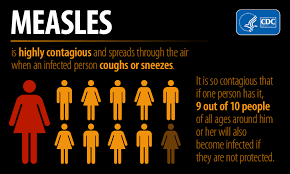
This would put a sweeping constitutional “right to refuse” medical mandates before voters. While framed as personal liberty, the practical effect would be to significantly weaken the state’s ability to respond to infectious disease threats and future public health emergencies and make vaccination rates plummet.
If this makes it to the ballot AZPHA will definitely oppose it.
SCR1004 – photo enforcement systems; voter approval
Status: Passed the Senate; waiting for House floor vote
This asks voters to prevent cities not already using photo enforcement from ever using it. Cities currently using it would need to get voters to approve continuing to use it. While there’s little evidence that photo radar saves lives and prevents injuries – photo red light enforcement (when properly placed) definitely saves many lives and prevents injuries.
If this makes it to the ballot AZPHA would likely oppose it.
HCR2058 – AHCCCS; comprehensive claims audit
Status: Passed the House; moving through the Senate.
This referral would require a comprehensive audit of AHCCCS. AZPHA has not taken a position on this measure; its impact will depend heavily on how the audit is structured and implemented, including potential effects on access to care and administrative burden.
I’m not sure whether AZPHA would oppose this or not if it makes it to the ballot.
SCR1001 – citizenship; identification; contributions; early voting
Status: Passed the Senate; waiting for House floor vote.
This is a far-reaching election overhaul that would tighten rules around early and mail-in voting, including shortening early voting timelines and adding new requirements. Taken together, these changes would make voting less accessible with downstream effects on representation and the policy decisions that influence community health.
AZPHA will oppose this if it makes it to the ballot
SCR1005 – elections; foreign contributions; prohibition
Status: Passed the Senate; advancing in the House.
This proposal would constitutionally restrict foreign national contributions tied to ballot measures. AZPHA has not taken a position; it falls into the broader civic infrastructure category that shapes policy and resource decisions affecting health.
I’m not sure whether AZPHA would oppose this or not if it makes it to the ballot.
See the PowerPoint Summary
Potential Voter Initiatives
The following are the voter initiatives that are in the field gathering signatures – which may make the ballot if enough good signatures are filed and if they survive legal challenges:
Free, Fair and Secure Elections Act
Status: Gathering Signatures
This measure would add a fundamental right to vote in the Arizona Constitution. It guarantees the ability to vote in person on Election Day at any voting center in your county, early in person through the Monday before the election, and early by mail for any election.
It prevents the Legislature from shortening the early voting period and requires any voting restrictions to be narrowly tailored and justified by a compelling state interest.
The measure also allows voters to sign up to automatically receive mail ballots, sets rules for when they can be removed from that list, and requires ID for in-person voting. Voters without ID can cast a provisional ballot and verify their identity later. The state must provide free ID cards to those who need them.
AZPHA will likely support this measure if it makes it to the ballot.
Protect Education Act
Status: Gathering signatures
This measure adds stronger oversight to Arizona’s Empowerment Scholarship Account (voucher) program while keeping access for students with disabilities and others who qualified before 2022. It limits newer eligibility (from the 2022 expansion) to families earning $150,000 or less (adjusted each year).
It tightens how ESA funds can be used, banning things like luxury purchases. Schools, tutors, and service providers must register annually, pass fingerprint clearance, and meet state standards. Schools must be accredited or give state tests (with exceptions for students with disabilities).
It also allows the Legislature to add more ESA rules, provides funding through fees and recovered funds, and increases state oversight of private schools receiving ESA money.
AZPHA will likely support this measure if it makes the ballot
Already on the Ballot
HCR2021 (Food tax cap)
Status: On the November 2026 ballot
This measure would cap city and town taxes on groceries at 2% and require voter approval for any increase above that level. It preserves some local control but limits how much municipalities can rely on food taxes for revenue.
Unsure whether AZPHA will take a position on this one
HCR2055 (Cartels as terrorist organizations)
Status: On the November 2026 ballot
This measure would require Arizona to designate drug cartels as terrorist organizations and direct state agencies to respond using available enforcement tools. It’s largely a policy statement with unclear practical impact, since terrorism designations are typically handled at the federal level.
AZPHA unlikely to take a position on this one
SCR1004 (Ban on mileage tracking/taxes)
Status: On the November 2026 ballot
This measure would prohibit the state from tracking vehicle miles traveled or imposing taxes or fees based on mileage without a driver’s consent. It effectively blocks future road-funding models tied to mileage, including those sometimes discussed for electric vehicles.
AZPHA unlikely to take a position on this one even though it comes to us via Sen Hoffman