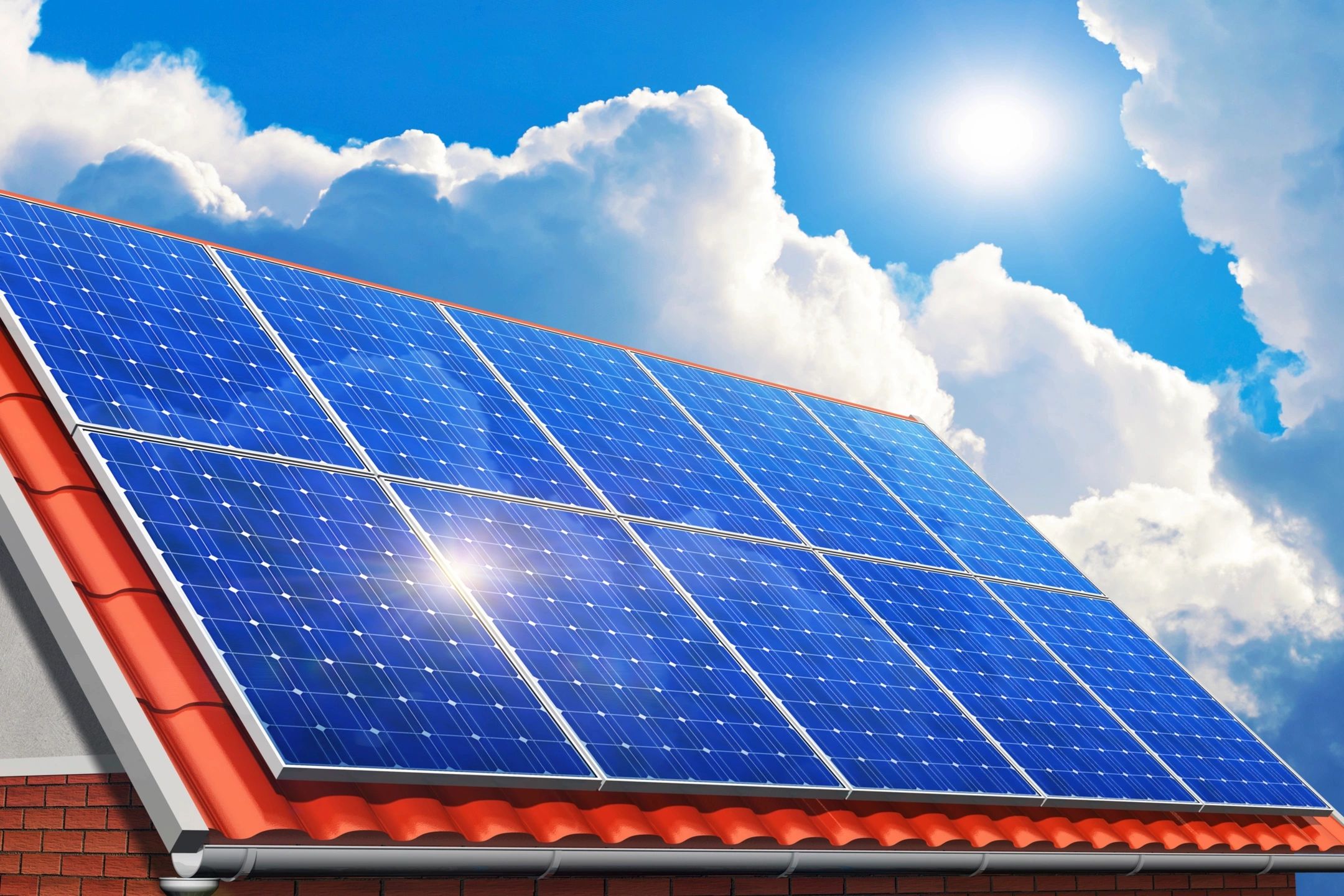
Solar projects and data centers both draw opposition from communities at city and county planning and zoning meetings. Both sometimes have opposition from nearby residents (and sometimes non nearby ‘carpetbagger’ residents – especially solar). Both raise questions about land use, water and electricity.
But they’re not the same at all. One supplies electricity. The other uses a lot of it.
The U.S. Energy Information Administration reports that data centers are driving the rapid growth in electricity demand and meeting that demand requires new power plants and grid upgrades.
Electricity
Solar can help meet the added demand (or at least a big chunk of it), particularly during Arizona’s sunny daytime hours. Integrated with batteries it can also help provide power later in the day.
Rates depend on the cost of the project, grid investments and decisions made by the Arizona Corporation Commission… and blocking a solar project doesn’t make the electricity demand from data centers disappear. The power still has to come from somewhere.
Water
Once built, solar panels use VERY little water to generate electricity. A data center needs cooling, which usually requires lots of water, but that depends heavily on its design, size and water source. Some data centers use lots of water (via evaporation); others use cooling systems designed to use a little less.
That’s why a county reviewing a data center should ask for its water use, where that water will come from and how those numbers could change as the facility expands. The Department of Energy explains how cooling choices affect data center water consumption.
None of that is necessary with solar farms.
Neighborhoods
For a solar project, the most noticeable changes are the temporary construction period, the view from neighboring properties and the land taken out of its prior use. And solar sites don’t make noise. Counties can address those solar and storage concerns through setbacks, drainage and dust controls, habitat protections, and an enforceable plan to remove the equipment when the project ends.
Data centers are large, long-lived industrial building boxes with a different set of impacts. Neighbors may face the constant hum of cooling equipment, backup generators, water demand and new power lines.
Pima County’s Public Health Lens on Arizona’s Data Center Boom – AZ Public Health Association
A county or other zoning entity should know those details before it approves a data center site. Residents should also be able to see the projected electricity and water use, even when a developer considers those numbers commercially sensitive.
Neither solar farms nor data centers should get a free pass at a zoning hearing… but they have very different community impacts.
A solar farm adds a source of electricity with little operating water use. A data center adds a potentially enormous, round-the-clock demand for electricity and, depending on its cooling system, water.
And… at a macro scale, data centers can raise your electricity bill even faster depending on how regulators ensure or don’t ensure data centers pay full freight for the added generating capacity they demand. Solar farms tend to lower future electricity costs because they are cheaper than fossil plants over the long run.